
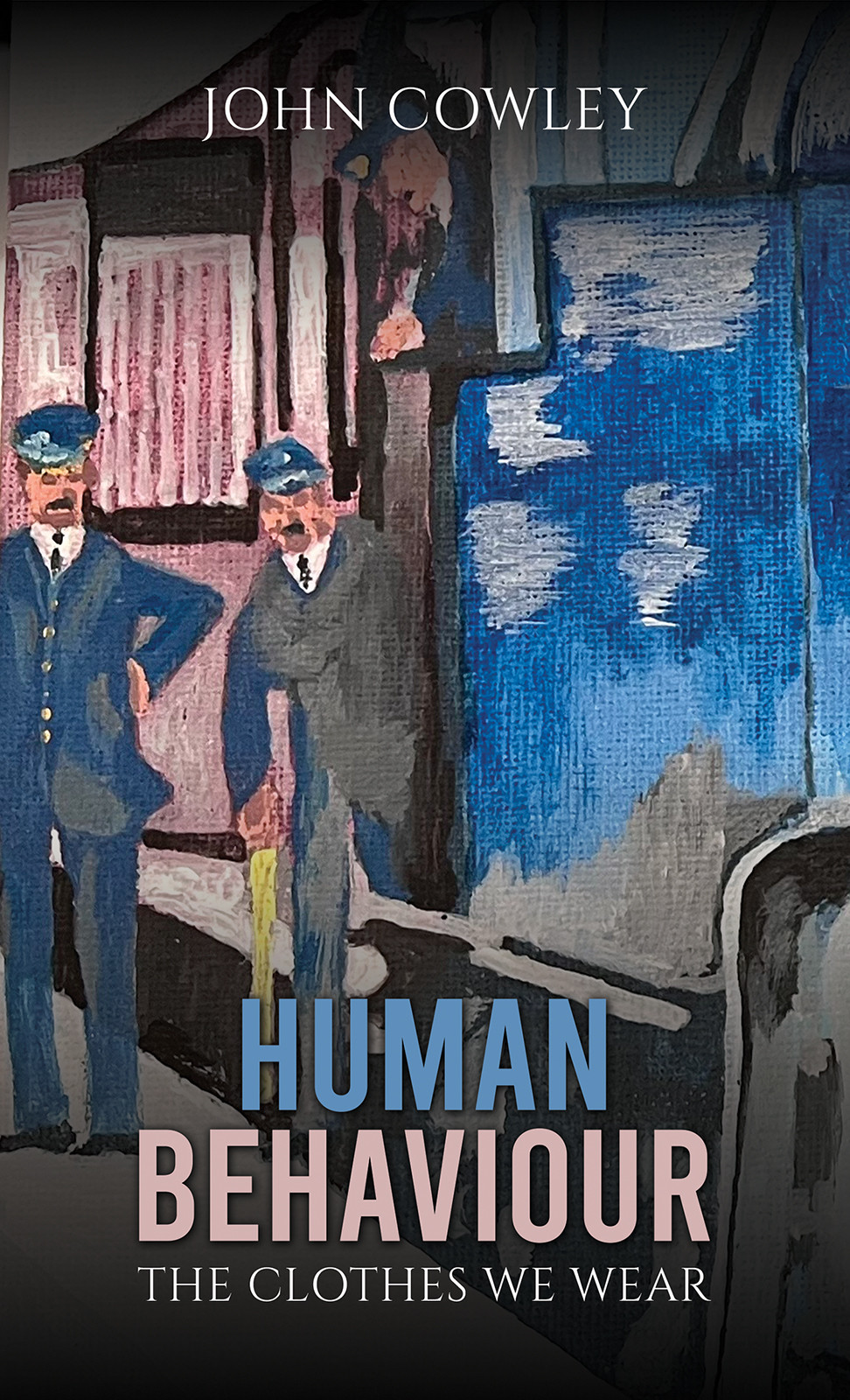
Book Description
The author spent his early childhood in Rainford, a village situated approximately halfway between Liverpool and Manchester in the north of England. It was a time of great uncertainty in Europe as England and her allies resisted the expansion of Nazi Germany. People in uniforms were everywhere, and it was not just those serving in the military, like the Royal Navy and Merchant Marine operating out of Liverpool, the Royal Air Force and flight crew from the USA based at Burtonwood and local members of the Army and Home Brigade. Additionally, there was everyday contact with fire wardens, police officers, railway staff, vicars, priests, doctors, nurses and Land Army girls in what seemed a never-ending parade of different uniforms, hats, assorted weapons and vehicles and other symbols of office. It appeared that the only ones out of a uniform were in his school, too young or too old to be called up to support the war effort.Even as a child, he soon realised that the people wearing a particular uniform were expected to behave in a certain way. Policemen were always around to make sure you behaved in a proper manner when out of the reach of parents or teachers and not inclined to pinch apples from someone’s orchard. Anyone serving in the military became the embodiment of the heroes shown on the movie screen and was held in great awe. Religious leaders were around to record births, deaths and marriages and to make sure that in between times you went to Sunday School and attended church.In many ways the situation was surreal; toy soldiers could be put away in a box when you had finished your make-believe war games, along with the policeman, the railway inspector and sundry other tin replicas. The real ‘uniforms’ were different, of course and they had families and friends, and you couldn’t just put them away in a box at the end of the day; they were made of flesh and blood, and then quite suddenly some weren’t around anymore.











 Discover