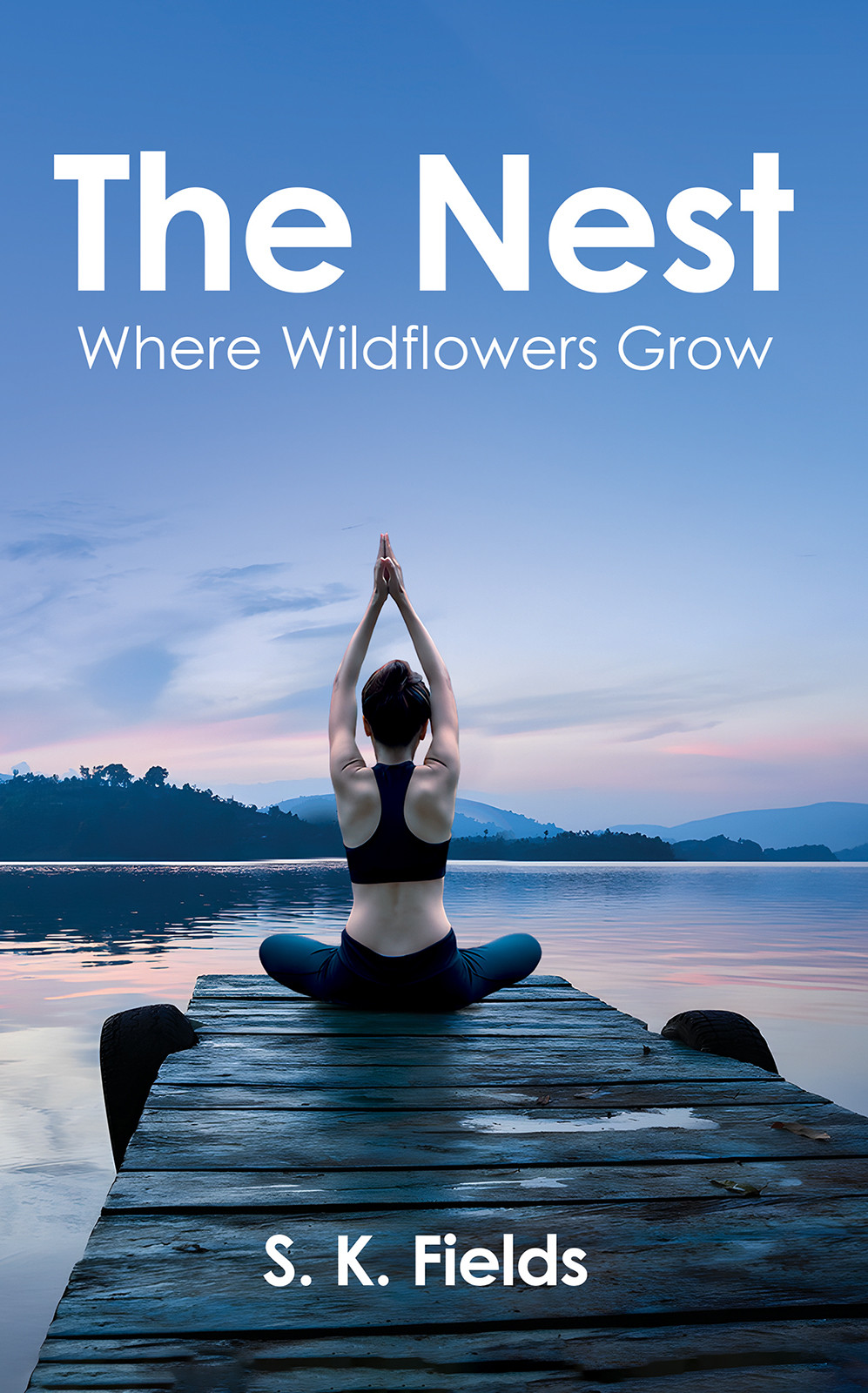
The Nest: Where Wildflowers Grow-bookcover

By: S. K. Fields

The Nest: Where Wildflowers Grow

Pages: 220 Ratings: 5.0

Book Format: Choose an option

Free standard delivery on UK orders over £35

*Available directly from our distributors, click the Available On tab below

Book Description

After being cast out of the wasteland like many women before her, Tara, a fifty-three-year-old former psychologist, sets out on a mission to bring freedom and joy back into the lives of women. Set in an off-grid community, surrounded by trees, mountains and a vast open lake, this is an exceptional story where the beauty and deep wisdom of nature override the harshness of a concrete society that thrives on order. The Nest illustrates the coming together of those who have been treated most harshly by inhumane systems and who are now looking to Tara for guidance on the greatest question of all.


How do we heal ourselves and the world in which we live?


From connecting with Mother Nature, letting go of the past and dropping into the sweetness of the present moment, The Nest unearths the remarkable potential of each human being through nourishing relationships, meditation, and the connection of mind, body and soul.


S. K. Fields was born in Yorkshire and has lived a life shaped by contrasts – from bustling cities to quaint villages and a rural community deep in the countryside.


With a background in healthcare and personal experience living with a chronic physical injury, S. K. Fields draws upon a wealth of personal insight in her writing. She possesses a remarkable ability to uncover beauty and meaning amid life’s hardships.


Inspired by a deep love for nature, this book pays tribute to women who have endured hardship yet continue to meet each day with courage and hope.


Available On These Platforms

Customer Reviews
5.0
3 reviews
3 reviews
  • literary titan

    The Nest: Where Wildflowers Grow is a novel about refuge: Tara creates a sanctuary called the Nest for women escaping the spiritual and emotional brutality of “the Wasteland,” and the book follows both the rhythms of life inside that haven and the healing of women like Glennon, all inside a larger frame story in which an elderly woman comforts a lonely child, Rebecca, by telling her this tale. What unfolds is less a plot-driven novel than a sustained act of witnessing. It’s a story about trauma, recovery, female solidarity, and the moral intelligence of tenderness, with nature not merely as backdrop but as scripture, medicine, and mirror. By the time the book circles back to Rebecca and her mother, the point feels clear: survival is only the beginning, and real healing asks for memory, gentleness, and a return to what is most alive in us. Fields writes as though she means every word with her whole heart, and that kind of emotional directness can be surprisingly disarming. I was moved by the recurring domestic tenderness of it all: the camomile tea, the warm almond milk, the sweet potato fries, the cat padding from cabin to cabin, the women feeding one another both literally and emotionally. Those details give the novel its pulse. I also admired the generosity of its vision. The Nest itself is imagined not as a fantasy of perfection, but as a counterworld built from care, slowness, and attention. There’s something appealing about the way the novel insists that being listened to, being fed, being believed, and being allowed to rest are not minor comforts but radical conditions for becoming whole. The writing often reaches for a devotional tone, and sometimes I found that beautiful, even transporting. Fields can really land an image when she slows down and lets it breathe. The wildflowers growing through cracks, the oak tree folded into the cabin’s structure, the willow that once held Tara at rock bottom, all of that has real symbolic force. But there were also moments when the novel’s ideas felt stated rather than dramatized, as though the characters were carrying a philosophy they needed to voice plainly instead of discovering it in messier, more surprising ways. I didn’t mind the earnestness, actually. I think earnestness is one of the book’s virtues. The book believes in healing, intuition, and moral clarity, and while I found that conviction moving, I also felt the novel was strongest when those beliefs emerged through lived moments. The Nest: Where Wildflowers Grow is a novel that wears its heart openly, and whether that works for a reader will depend on how willing they are to meet it on those terms. I was. I came away feeling that the book’s finest achievement is solace. I’d especially recommend it to readers drawn to reflective, healing-centered fiction, to stories of women rebuilding themselves in community, and to anyone who wants a novel that feels less like a spectacle than a hand held steadily in the dark.

  • Hazel

    Drawn in by an elderly lady and a young Rebecca, what unfolds is a story of an idyllic sanctuary for women, "a sanctuary for the soul", where we meet wise, loving and creative women. This is a tale of connection with nature, healing and the universe. Throughout, we experience gentle prompts to look at ourselves, our connection to others, and the world around us —and significantly —it gives us a sense of hope.

  • GW

    A story of the collective strength of women and the powerful circle of nature, life and healing. A flowing read of serenity imbuing a sense of calmness throughout.

Write a Review
Your post will be reviewed and published soon. Multiple reviews on one book from the same IP address will be deleted.

We use cookies on this site to enhance your user experience and for marketing purposes.
By clicking any link on this page you are giving your consent for us to set cookies