
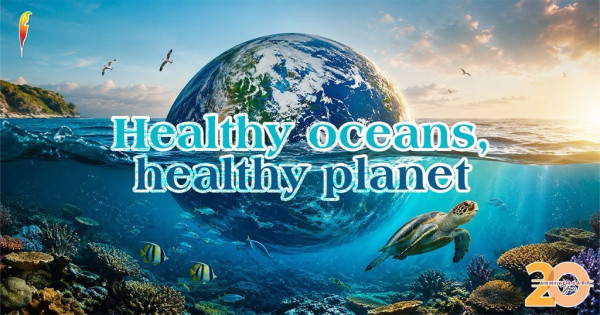
The ocean covers over 70% of Earth and produces at least 50% of the planet’s oxygen, according to the World Meteorological Organization. That number gives World Ocean Day some real weight. It is not only about beaches, or waves. It is about the very air we breathe, the wildlife we share the planet with and the choices that shape the future of our seas.
World Ocean Day is a time to bring attention to books that place the ocean at the centre of the story. Some of these titles speak about plastic pollution and marine animals. Others use the sea as a symbol of friendship and courage. With the theme Healthy oceans, Healthy Planet, this reading list brings together 10 ocean books that can help children, families and readers think more carefully about the sea and why it deserves protection.
Why "World Ocean Day" Belongs on a Reading List
World Ocean Day is marked on 8 June every year to raise awareness about the ocean and the pressure human activity places on it. The day gives schools, families, libraries and readers a reason to talk about marine life, plastic waste, climate and the health of the planet. Publishing platforms often use this occasion to share ocean books in a simple list format. That works because readers can quickly find titles that match their interests.
For AMP, the aim is to keep that useful format but give it more meaning. This list is not only about recommending books about the ocean. It is about showing how stories can make young readers care about the sea before they are asked to protect it.
What Makes a Strong List for World Ocean Day?
A good list should be easy to read, but it should not feel like a plain catalogue. Readers need to know what each book is about, why it fits the theme and who may enjoy it. Many book platforms do this well by keeping their recommendations short and organised. The best lists help people choose quickly by using clear titles, short summaries and simple categories. That is useful for parents, teachers, librarians and readers who want a book without reading a long review first.
We follow that same approach, but it also adds a stronger purpose. Each book has been chosen because it relates with the ocean in a meaningful way. Some titles focus on sea life and animals. Some look at pollution, friendship or adventure. Others bring in nature, poetry, history or the wider human relationship with the sea.
Together, these books highlights that this day can be marked through many kinds of reading
Not only through environmental non-fiction.
Featured Books About the Ocean
The books below bring the ocean into the story in different ways. Together, they create a varied book list for this day without moving away from the central theme of healthy oceans and a healthy planet.
Ocean Commotion! by Kathryn Atkinson
Far out in the ocean, a pod of dolphins finds plastic waste floating where it does not belong. Shocked by the pollution, the dolphins decided to send a message by carrying the waste back to shore and blocking the port. This book gives young readers a story that tells us about the hazards of plastic pollution, marine life and responsibility.
Alexander and Lily had hoped for a holiday abroad, but a family car problem changed their plans. Instead, they travel to Brampton Sands for a staycation that soon becomes more meaningful than they expected. It works well for summer reading, especially for young readers who enjoy adventure books with some coastal background.
The Rock, Into the Ocean and the African Penguin by Glenda McLean
Glenda McLean writes about wildlife through short stories shaped by her own experiences in Africa. Her aim is to help children who may never visit the wild feel closer to animals and the natural world. This title fits World Ocean Day because it encourages the care for wildlife creatures on land and in the ocean.
It is a good choice for readers looking for books about animals and nature.
The Humble Hermit by Jack Craib Smith
A hermit crab moves through the ocean trying to survive and find the right shell for his changing body. This change brings fear, humour and relief as predators enter his habitat and humans appear on the beach. This book helps children get a closer look at sea life creatures.
Toby is a young basking shark living in the Atlantic Ocean off the coast of Ireland. Life feels too quiet for him, so he leaves familiar waters and meets a bright underwater world filled with colour and unusual sea creatures. For readers interested in books about whales, sharks and marine animals, Toby offers an ocean adventure.
It brings sea life to the page in a way that feels lively and suitable for children.
Tramontana is a poetry collection about spiritual transformation, love, stillness and inner strength. Nature has a strong presence throughout the book, with oceans, mountains and trees used as images of resilience and renewal. This title adds variety to the list because it looks at the sea in a reflective way. It is not a children’s ocean story, but it belongs here as a book of nature.
For readers who connect with the ocean through emotions and thought.
Mermaids on the Rock and the Fishermen’s Net by Mandy Aaron
The mermaid sisters are drawn once again to the world above the ocean even though they know they should stay away. Their curiosity leads them into greater danger than before...with Willy the Whale and Diana the Dolphin worried about what may happen next. This mermaid book brings fantasy into the reading list while keeping the sea at the centre of the action.
It is a fitting choice for readers looking for children books with adventure, risk and a strong oceanic background.
The Black Ships by Jonathon Fairall
The Black Ships looks at three men, three voyages and one century of ocean crossings that helped shape the modern global order. The book focuses on Portugal around 1500, when new technologies allowed ships to cross oceans and connect Europe with Asia. As a maritime book, it gives older readers a different angle on the sea.
The ocean is not only a natural environment here - it is also a route for conflict, trade and global change.
The Bubble That Went to Sea by Dottie Cue
Baz the Bubble travels through the sea and meets underwater heroes who show how children can help protect the ocean. The story gives young readers a hopeful message about small acts of care and the difference they can make. This title works well as a children’s science book with an environmental message.
It speaks directly to the idea behind Healthy oceans, Healthy Planet with just simple choices.
Popper Penguin and Willow Whale by Chloe Hawes
Popper and Willow are best friends, but their friendship is tested by harsh words outside pressure and difficult emotions. Their sea adventure brings sadness, anger and joy while reminding readers to be kind. For children who enjoy animal books and adventure books, this story adds an emotional layer to the ocean theme.
It uses life in the sea to talk about friendship, difference and the courage to make choices with kindness.
Which Ocean Book Should You Choose?
A clear book list should help readers make a quick choice.
Some may want ocean pollution books for a classroom discussion.
Some may want sea life books for younger children.
Others may be looking for nature, mermaids or maritime books with a wider view of the sea.
|
Reader Interest |
Recommended Book |
|
Books about the Pollution in Seas and Oceans |
Ocean Commotion! |
|
Books about the sea for children |
Ocean Times |
|
Books about animals and their life |
The Rock, Into the Ocean and the African Penguin |
|
Books based on Sea and Marine Life |
The Humble Hermit |
|
Books about Whales and Sharks |
Toby |
|
Nature Books |
Tramontana |
|
Mermaid Books |
Mermaids on the Rock and the Fishermen’s Net |
|
Maritime Books |
The Black Ships |
|
Children’s Science Books |
The Bubble That Went to Sea |
|
Children’s Adventure Books |
Popper Penguin and Willow Whale |
How to Mark World Ocean Day Through Reading...
World Ocean Day does not need to be marked with a large event. A book can be enough to begin a useful conversation at home or in school. A dolphin facing plastic waste, a hermit crab searching for safety can make the message easier to understand.
Here are a few simple ways to use ocean books on this day:
Read one ocean-themed book with a child, class or reading group.
Ask what the story shows about sea life, waste and kindness.
Create a small display of books about the ocean, books about animals and nature.
Use a story about plastic waste to talk about litter, recycling and reusable items.
Pair a mermaid book or sea adventure with a short activity about marine animals.
Encourage children to draw one ocean creature they would like to protect.
The aim is not to make children feel worried about the sea.
The aim is to help them notice it, care about it and understand that small choices matter.
Final Thoughts
World Ocean Day is a reminder that the sea can not be separated from daily life. It affects the air, the climate, wildlife and the future our children will inherit. Books can help that message reach everyone.
For AMP, this reading list brings together ocean books, animal books, nature books and sea adventure stories that support the idea behind Healthy oceans, Healthy Planet.
We use cookies on this site to enhance your user experience and for marketing purposes.
By clicking any link on this page you are giving your consent for us to set cookies

.jpg "National Zoo Awareness Day: Discover Stories That Bring the Animal World to Life")
_1786550394.jpg "10 Memoirs to Read on We Love Memoirs Day")
 Discover