
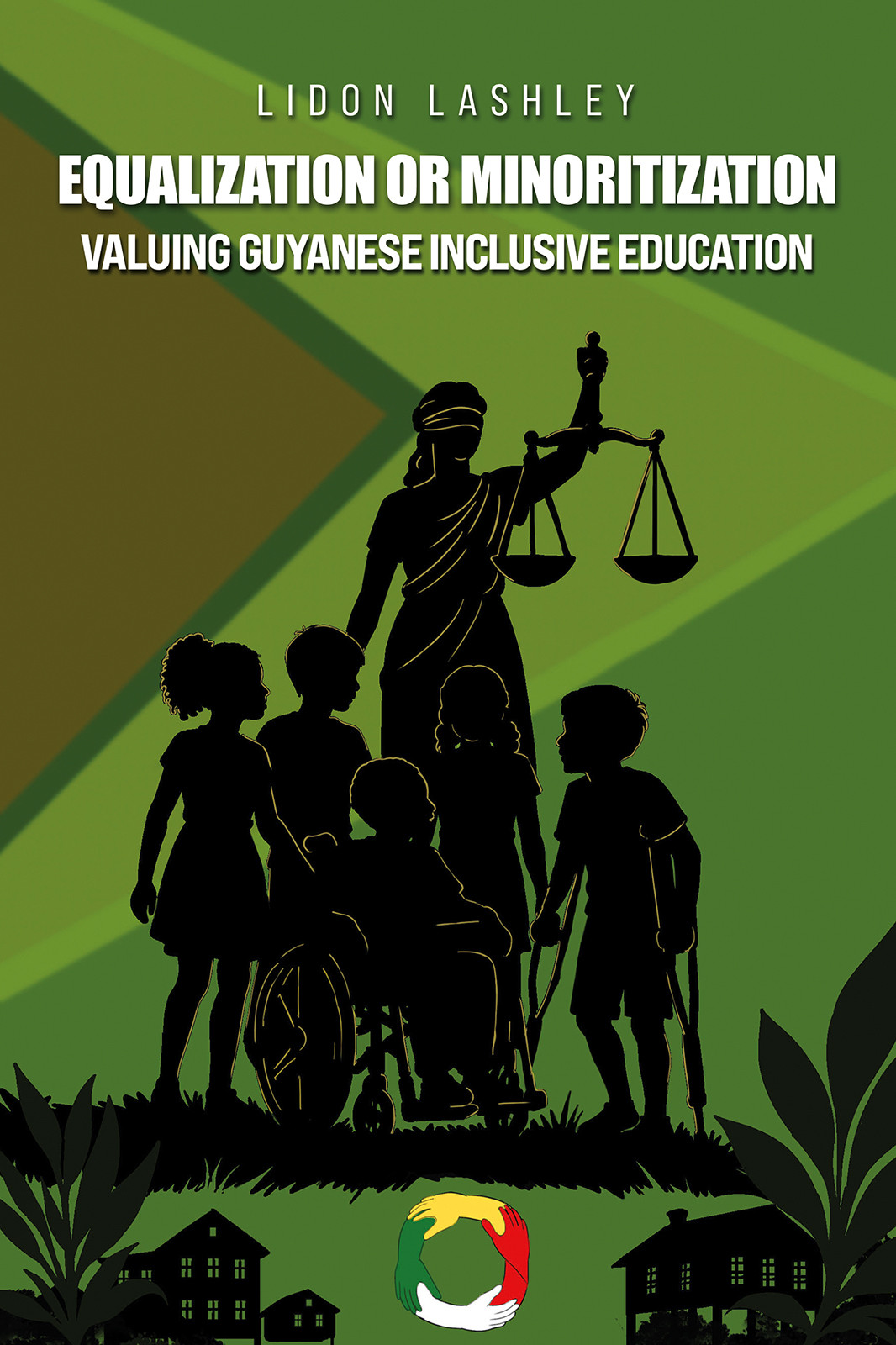
Book Description
Since the Salamanca Statement on Principles, Policy and Practice in Special Needs Education (1994)—to which Guyana is a signatory—and Guyana's subsequent Disability Act (2010), alongside the CARICOM treaties including the Kingston Accord (2004) and the Declaration of Petion Ville (2013), the debate around equalization versus minoritization has shaped the valuing of Guyanese Inclusive Education.
Vulnerable Guyanese with disabilities, neurodivergence, and diverse needs—especially those facing poverty, displacement, or Indigenous and migrant backgrounds—have not felt the emancipating and liberating impact of a functional inclusive education system. Belonging for minoritised and marginalised persons with disabilities is depersonalising in many instances through surveillances meant to support but ultimately subjugate them.
These inequalities replicate poverty across generations. The "stay-in-your-lane" discourse maintains prejudice and limits access to resources, social mobility, socioeconomic participation, and justice.
This book offers a perceptive view of Guyanese education from the voices of both educators and excluded children—showing what inclusive education really looks like and what it could become.





 Discover