
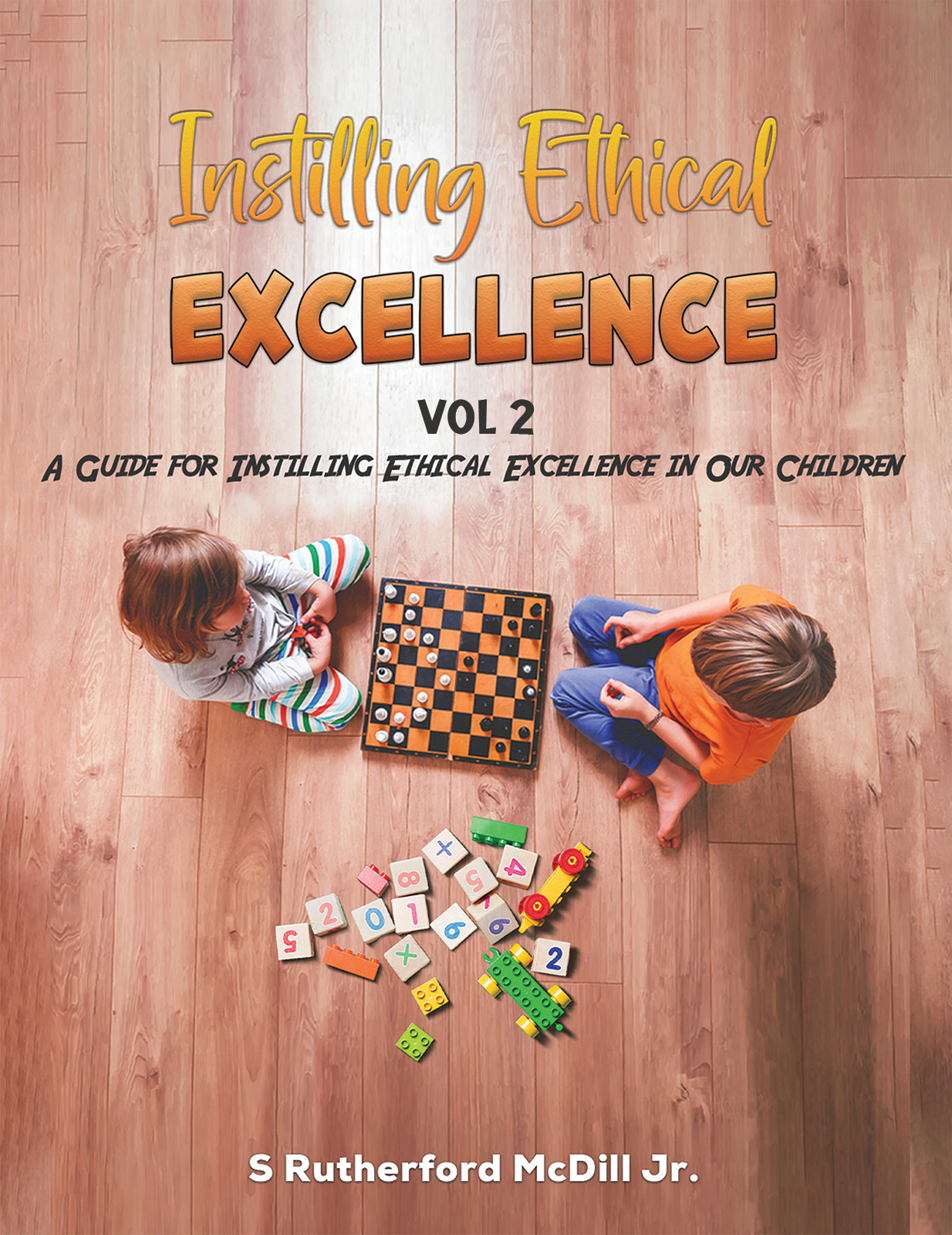
Book Description
The question is: What kind of world do we want to live in? The question appears time and again in the pages that follow. It is not a trifling one. We make the world we live in one act and one decision at a time, small and not so small. Few of us pause long enough to think deeply as we go about our everyday lives, busily meeting our everyday needs. It has taken far longer than it should have, but finally the field of applied ethics has expanded its horizons to return to the teaching of ethics across the age spans of elementary school-age children. In the early to mid-1800s, William Holmes McGuffey created a series of books (McGuffey’s Readers) that taught character development lessons to lay a foundation of moral and ethical precepts in very young hearts. Several generations of teachers fed the lessons of the Readers into several generations of their students, only to find their Readers falling into subsequent disuse. We are returning to the old to do something new.
Taking ethics education farther and farther back into younger and younger student cohorts is no longer out of fashion. Philosopher ethicists are stepping out of their academic ivory towers to create new and innovative age-correlated ethics teaching resources.
Education has gotten increasingly technical to the abandonment of the ethical. But all is not lost. Research in early childhood development shows that kids as young as two years old possess rudimentary forms of “morality” relating to judgements such as good/bad, right/wrong, and fair/unfair, among others. As publications multiply, focusing on the expanding domain of applied ethics, educational resources are needed to assist teachers in their classroom ethics teaching activities. Today, more than ever, we need resources to raise ethically minded adults-in-the-making able to stand well above today’s cultural currents, see dangers, and make fine-grained decisions as to the right and wrong of things.






 Discover